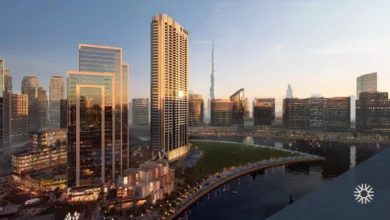

Paying Rent in Dubai 2026 has undergone a historic transformation, moving away from the rigid “one-cheque” culture toward a more flexible, digitally integrated ecosystem. While the traditional paper cheque remains a legal option, the 2026 rental market is defined by the widespread adoption of monthly installments and automated direct debits. This shift, supported by the Dubai Land Department (DLD) and the Real Estate Regulatory Agency (RERA), aligns Dubai with international standards, offering tenants better liquidity and providing landlords with secure, consistent digital cash flows. Whether you are a long-term resident or a newcomer, understanding these new payment rails is essential for navigating the city’s competitive property market and ensuring your lease remains compliant with the latest UAE financial regulations.
The Rise of Monthly Digital Installments
The most significant change in Paying Rent in Dubai 2026 is the official rollout of monthly installment options across major real estate portals. Through partnerships between fintech platforms like Keyper and portals like Property Finder, tenants can now filter listings specifically for “Monthly Payment” options. This system allows you to split your annual rent into 12 equal parts, paid via credit card or bank transfer. In 2026, this model has become a “market favorite” because it eliminates the need for massive upfront payments, though it may involve a small service fee (typically 3% to 5%) to cover the digital processing and landlord guarantee.
UAE Direct Debit System (UAEDDS) Integration
The integration of the UAE Direct Debit System with the Ejari platform has revolutionized Paying Rent in Dubai 2026. Instead of writing post-dated cheques, tenants can now sign a digital mandate during the Ejari registration process. This allows the rent to be automatically deducted from your bank account on agreed dates. This method is highly encouraged by RERA as it reduces the risk of “bounced cheque” legal issues and administrative errors. For landlords, it provides a “set and forget” income stream, while tenants benefit from a paperless experience and better credit score tracking through Al Etihad Credit Bureau (AECB).
Paying Rent via Credit Cards and Reward Points
In 2026, Paying Rent in Dubai 2026 has become a way for savvy tenants to earn significant travel and cashback rewards. Many developers and management companies now accept rent via major credit cards through secure payment gateways. While a processing fee might apply, the ability to delay the actual cash outflow and accumulate thousands of air miles has made this a popular choice. Furthermore, some specialized “Rent-Now-Pay-Later” (RNPL) services have emerged, allowing tenants to pay their rent in interest-free installments while the landlord receives the full annual amount upfront.
The Legal Status of the Traditional Cheque
Despite the digital shift, the physical cheque is not dead in Paying Rent in Dubai 2026. It remains a legally valid payment instrument and is often preferred by private, individual landlords who are not yet registered with digital platforms. However, the legal landscape has changed; since the decriminalization of bounced cheques (except in cases of fraud), the civil court process for unpaid rent has become faster and more streamlined. If you choose to pay via cheques in 2026, it is vital to ensure your bank signature is updated and that funds are available 24 hours prior to the cheque date to avoid administrative fines from your bank.
Expert Advice on Negotiating Payment Terms
When Paying Rent in Dubai 2026, your most powerful tool is negotiation. While a 12-month payment plan offers flexibility, offering to pay in “one or two cheques” can still help you secure a 5% to 10% discount on the total annual rent. Experts suggest that if you have the liquidity, upfront payments remain the best way to get the lowest price. However, if you prefer monthly payments, ensure that the payment schedule—including any digital platform fees—is explicitly stated in the “Additional Terms” section of your Ejari contract to protect your legal rights in case of a dispute.
Security Deposits and Move-in Costs
The move-in costs associated with Paying Rent in Dubai 2026 typically include a security deposit (5% for unfurnished, 10% for furnished) and agency fees. In 2026, many property management companies have started offering “Deposit-Free” options through insurance schemes, where the tenant pays a small monthly premium instead of a large upfront deposit. This trend is gaining traction in areas like Dubai Hills and Business Bay, significantly lowering the barrier to entry for new tenants. Always ensure you receive a digital receipt through the Dubai REST app for any deposits paid to avoid “refund disputes” at the end of your tenancy.
Managing Rent via the Dubai REST App
The Dubai REST App is the ultimate “command center” for Paying Rent in Dubai 2026. Through the app, tenants can view their payment history, download their Ejari, and even raise a case with the Rental Disputes Centre (RDC) if a landlord refuses to accept a digital payment agreed upon in the contract. The app’s transparency ensures that both parties have a “single source of truth.” In 2026, if your landlord is registered for digital collection, you will receive push notifications when a payment is due, helping you maintain a perfect payment record and avoid late-payment penalties.
Dealing with Late Payments and Defaults
In the 2026 rental market, automated systems are quick to flag missed payments. If you are Paying Rent in Dubai 2026 via direct debit and the transaction fails, you will typically receive a 5-to-7-day grace period to rectify the balance. If the payment remains outstanding, the digital platform may suspend your access to community amenities or initiate a legal notice through RERA. It is highly recommended to communicate with your landlord or property manager at least 15 days in advance if you anticipate a financial delay, as many are willing to reschedule a payment rather than face the costs of a legal dispute.
Future Outlook: The End of the Paper Cheque?
In this final analysis, Paying Rent in Dubai 2026 marks the beginning of the end for paper-based rental transactions. As the UAE moves toward a fully cashless society by 2030, the infrastructure for digital rent is now firmly in place. The transition has made the market more inclusive, allowing freelancers and newcomers to access high-quality housing without the burden of massive upfront cheques. As we look forward, the further integration of blockchain will likely make rental payments instantaneous and globally accessible, solidifying Dubai’s reputation as the world’s most transparent and tenant-friendly real estate market.
Sources and References:
- Dubai Land Department (DLD) – Official Payment Portal: https://dubailand.gov.ae/
- RERA Rental Dispute Centre (RDC) – Laws and Regulations: https://www.rdc.gov.ae/
- UAE Central Bank – Direct Debit System (UAEDDS): https://www.centralbank.ae/
- Property Finder UAE – Rent in Installments Guide: https://www.propertyfinder.ae/
- Khaleej Times – Real Estate and Finance 2026: https://www.khaleejtimes.com/business/real-estate/