Freehold vs Leasehold in Dubai: 9 Critical Steps to Verify Your Property Ownership in 2026
Understanding the difference between Freehold vs Leasehold in Dubai is essential for any investor or homeowner to ensure long-term security and legal clarity in 2026.
The debate between Freehold vs Leasehold in Dubai is one of the most fundamental aspects of the local real estate market. In 2026, as the market matures and more international investors enter the UAE, distinguishing between these two types of ownership has never been more important. Freehold ownership grants the buyer absolute ownership of the land and the unit for an indefinite period, whereas leasehold typically involves a long-term lease of up to 99 years from the landowner. Understanding Freehold vs Leasehold in Dubai is the key to determining your rights regarding property modifications, inheritance, and resale value. This guide provides a comprehensive breakdown of how to verify your ownership status and what each category means for your financial future.
1. Defining Freehold Ownership
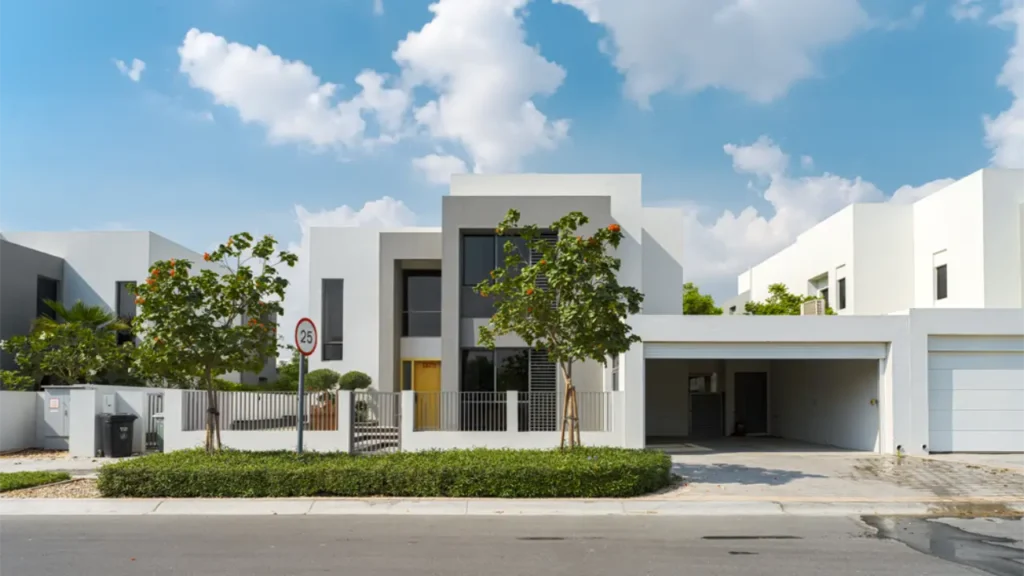
In the context of Freehold vs Leasehold in Dubai, freehold is often the preferred choice for expatriates. When you buy a freehold property, your name is registered with the Dubai Land Department (DLD) as the absolute owner of the structure and the land it stands on. The Freehold vs Leasehold in Dubai distinction is vital here, as freehold owners have the right to sell, lease, or renovate the property (subject to developer guidelines) without needing the landowner’s consent.
2. Defining Leasehold Ownership
Leasehold ownership represents a different approach to Freehold vs Leasehold in Dubai. In this arrangement, you are buying the right to occupy and use the property for a fixed term, commonly 99 years. At the end of the term, the ownership reverts to the freeholder unless the lease is renewed. When comparing Freehold vs Leasehold in Dubai, it is important to note that leasehold properties are often located in specific areas not designated as freehold zones for non-GCC nationals.
3. Geographical Restrictions and Zones
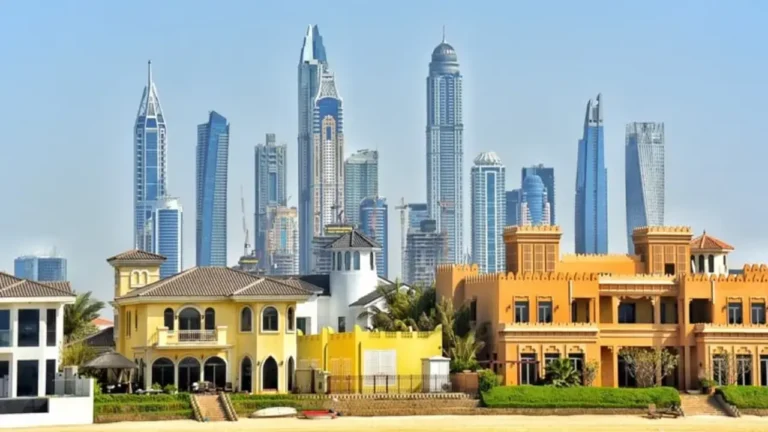
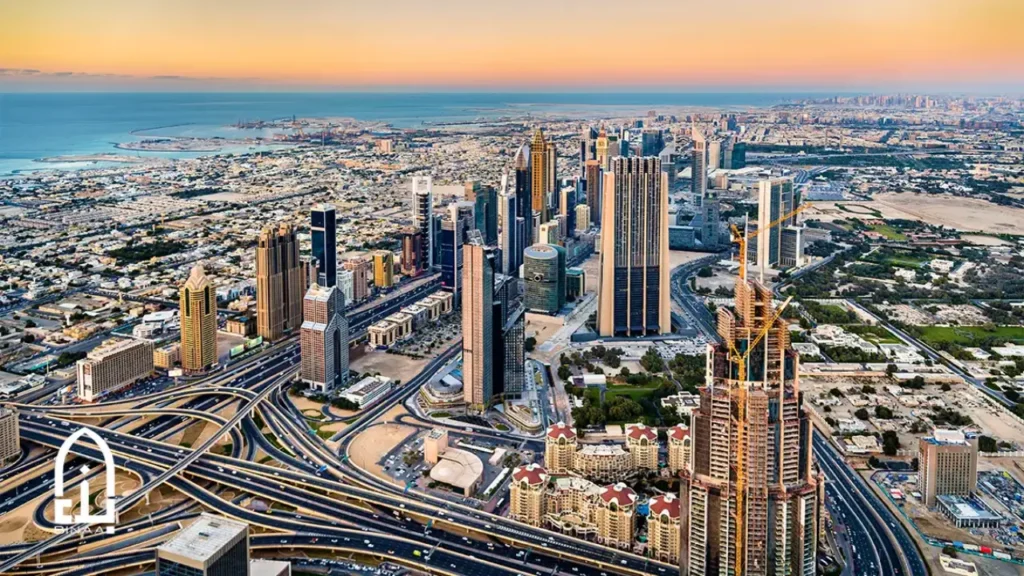
One of the easiest ways to distinguish Freehold vs Leasehold in Dubai is by location. Dubai has designated “Freehold Areas” such as Dubai Marina, Downtown Dubai, and Jumeirah Village Circle (JVC) where foreigners can own land outright. Outside these zones, ownership is typically restricted to GCC nationals or offered as leasehold. Knowing the zone of your property is the first step in the Freehold vs Leasehold in Dubai verification process.
4. How to Verify via the Dubai REST App
In 2026, the most efficient way to check Freehold vs Leasehold in Dubai status is through the Dubai REST app. By entering your Title Deed number or scanning the QR code on your document, you can see the “Ownership Type” listed. The Freehold vs Leasehold in Dubai details are clearly displayed in the digital registry, providing instant verification of whether you hold absolute title or a long-term lease.
5. Examining the Title Deed (Mulkiyya)
The Title Deed is the ultimate proof in the Freehold vs Leasehold in Dubai comparison. A freehold deed will explicitly state that the owner has the right to the land and the unit. In contrast, a leasehold deed will specify the duration of the lease and the name of the ultimate freeholder. Always check for the “Lease Expiry Date” to confirm the Freehold vs Leasehold in Dubai status before completing a transaction.
Rights and Responsibilities
The Freehold vs Leasehold in Dubai choice impacts your maintenance responsibilities. Freehold owners are responsible for the entire property, while leasehold tenants may have different service charge structures depending on the master developer’s terms.
6. Resale Value and Market Liquidity
When looking at Freehold vs Leasehold , resale value is a major factor. Freehold properties generally experience higher capital appreciation because they offer permanent security. However, leasehold properties can offer higher rental yields due to their often lower initial purchase price. Investors must weigh these factors when deciding between Freehold vs Leasehold in Dubai for their 2026 portfolios.
READ ALSO :UAE Unified Real Estate Platform 2026: A Landmark Move for Market Transparency and Efficiency
7. Inheritance and Succession Laws
The Freehold vs Leasehold in Dubai distinction carries significant weight in inheritance. Freehold properties are easier to pass down to heirs through a UAE will (DIFC or Abu Dhabi courts). For leasehold properties, the remaining years on the lease are what is inherited. Understanding the Freehold vs Leasehold in Dubai legal framework ensures your family’s future is protected under UAE law.
8. Impact on Mortgage and Financing
Banks in Dubai have different lending criteria for Freehold vs Leasehold in Dubai. Most banks offer 25-year mortgages for freehold properties without hesitation. For leasehold, the bank will often require the lease term to extend significantly beyond the mortgage period. This makes the Freehold vs Leasehold in Dubai verification a critical step for buyers relying on bank financing in 2026.
9. Conclusion: Making an Informed Decision
Ultimately, the choice between Freehold vs Leasehold in Dubai depends on your long-term goals. If you seek permanent residency and full control, freehold is the clear winner. If you are looking for a high-yield investment with a lower entry cost in a specific non-freehold area, leasehold might be suitable. By using the DLD’s digital tools, you can easily verify your Freehold vs Leasehold in Dubai status and invest with total confidence.
Official Verification Sources:
- Dubai Land Department (DLD) – Ownership FAQ: https://dubailand.gov.ae
- Dubai REST App – Official Portal for Property Verification: https://www.dubairest.gov.ae
- Government of Dubai – Real Estate Legislation: https://www.dubai.ae
- DIFC Wills Service Centre – Inheritance Guides: https://www.difcwills.ae