

Eviction for Non-Payment of Rent in Dubai: The Ultimate Guide to Legal Procedures and Rights
Eviction for non-payment of rent in Dubai is a strictly regulated legal process governed by Law No. (26) of 2007 and its subsequent amendments in Law No. (33) of 2008.
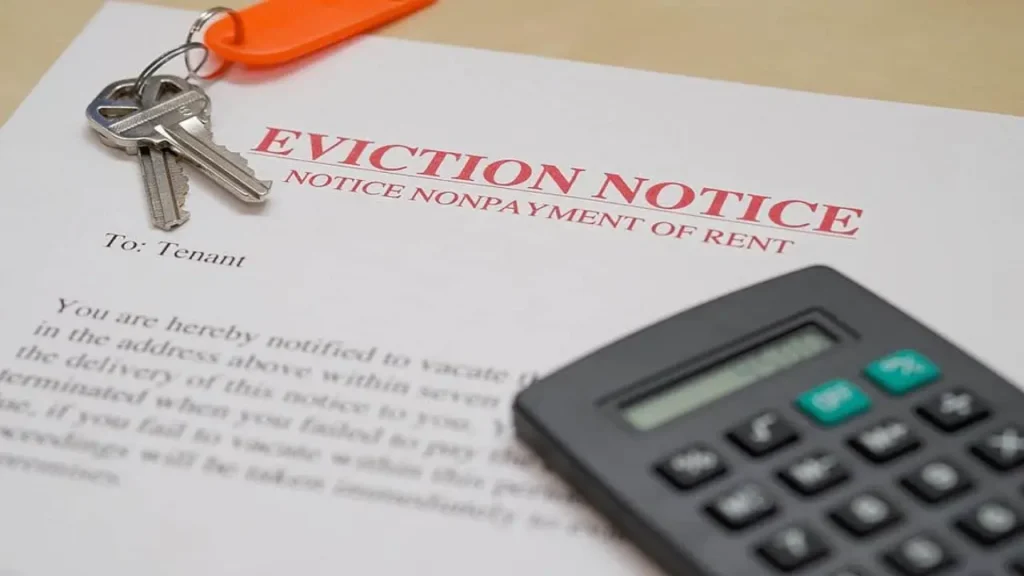
In the fast-paced real estate market of 2026, understanding the nuances of eviction for non-payment of rent in Dubai is vital for both landlords seeking to protect their investment and tenants facing financial difficulties. The law aims to provide a balanced framework where the rights of the landlord to receive timely payment are upheld, while ensuring that the tenant is not removed arbitrarily without proper legal notice or justification.
1. The Legal Grounds for Eviction in Dubai
According to Article 25 of the Dubai Tenancy Law, eviction for non-payment of rent in Dubai can only occur if the tenant fails to pay the rent within 30 days of receiving a formal notice from the landlord. This is the most common ground for early termination of a lease agreement. It is important to note that eviction for non-payment of rent in Dubai does not happen automatically the moment a check bounces; there is a mandatory grace period designed to allow the tenant to rectify the situation before legal action is escalated to the Rental Dispute Center (RDC).
2. The Mandatory 30-Day Notice Period
The first critical step in the process of eviction for non-payment of rent in Dubai is the issuance of a formal legal notice. This notice must be served via the Notary Public or sent by registered mail to be legally binding. The 30-day countdown for eviction for non-payment of rent in Dubai begins from the day the tenant receives the notification. If the tenant settles the outstanding amount within this window, the eviction proceedings are typically halted. However, if the deadline passes without payment, the landlord gains the right to file an official case for the recovery of the property.
read more : 10 Mega Projects in Dubai 2026: The Ultimate List of Upcoming Landmarks and Lucrative Shifts
3. Role of the Rental Dispute Center (RDC)
When a tenant ignores the formal notice, the landlord must approach the Rental Dispute Center (RDC) to finalize the eviction for non-payment of rent in Dubai. The RDC acts as the specialized judicial arm of the Dubai Land Department. Filing a case for eviction for non-payment of rent in Dubai requires the landlord to provide the tenancy contract, proof of the served notice, and evidence of the missed payments. The RDC then reviews the case and issues a judgment that can include the immediate vacation of the premises and the settlement of all outstanding financial dues.
4. Consequences of Bounced Checks
In Dubai’s real estate system, rent is frequently paid via post-dated checks. If a check is returned for insufficient funds, it serves as primary evidence for eviction for non-payment of rent in Dubai. While the criminal penalties for bounced checks have been largely decriminalized in favor of civil remedies, a bounced rent check remains a powerful tool in the RDC for accelerating an eviction for non-payment of rent in Dubai. Landlords often use the “Cheque Execution” service provided by the RDC to claim their funds directly through the enforcement department without a lengthy trial.

5. Tenant Defenses and Legal Recourse
Tenants facing eviction for non-payment of rent in Dubai do have certain protections if they can prove the landlord is in breach of the contract. For example, if the landlord has failed to provide essential maintenance making the property uninhabitable, the tenant might argue for a rent reduction or a delay in payment. However, the RDC usually advises tenants to pay the rent first and file a separate maintenance case, as withholding rent is rarely accepted as a valid defense to avoid eviction for non-payment of rent in Dubai.
6. Eviction During the Middle of the Lease
Unlike evictions for personal use or sale of the property—which require 12 months’ notice—eviction for non-payment of rent in Dubai can occur at any point during the tenancy period. If the breach occurs in the third month of a one-year contract, the landlord can initiate the process immediately. This makes eviction for non-payment of rent in Dubai a rapid enforcement mechanism compared to other types of lease terminations, ensuring that property owners are not burdened by non-paying occupants for extended durations.
7. The Execution Phase of the Eviction
Once the RDC issues an eviction order, the execution phase begins. If the tenant still refuses to leave after the judgment, the landlord can request the court bailiffs to carry out the eviction for non-payment of rent in Dubai. This may involve the presence of police and locksmiths to regain access to the property. It is highly recommended that landlords never attempt a “self-help” eviction, such as cutting off utilities or changing locks, as these actions are illegal and can lead to heavy fines against the landlord, complicating the eviction for non-payment of rent in Dubai.
8. Impact on Future Tenancy and Credit
Being a subject of a court-ordered eviction for non-payment of rent in Dubai can have long-term consequences for a tenant. The RDC maintains records that are accessible to other landlords and credit bureaus. A history of eviction for non-payment of rent in Dubai can make it extremely difficult to rent a property in the future, as most landlords now conduct background checks through the “Rental Good Conduct Certificate” service provided by the Dubai Rest App.
9. Professional Legal Assistance
Given the procedural strictness of the Dubai Land Department, engaging a legal expert is often necessary for a successful eviction for non-payment of rent in Dubai. Minor errors in the wording of the notice or the method of delivery can lead to the case being dismissed. To ensure a smooth eviction for non-payment of rent in Dubai, landlords should maintain meticulous records of all communications, payment receipts, and contract copies to present a foolproof case before the judicial committees.
Official Sources and Legal References:
- Dubai Land Department (DLD): https://dubailand.gov.ae
- Rental Dispute Center (RDC) Portal: https://rdc.dubailand.gov.ae
- Official UAE Government Portal – Housing: https://u.ae/en/information-and-services/housing
- Dubai Tenancy Law – Decree No. 26 of 2007: https://www.rpdubai.ae/legal-framework