Discover the magic of Dubai Traditional Souks with our 2026 travel guide. Explore the Gold, Spice, and Textile markets while experiencing the authentic heritage of Old Dubai.
Dubai Traditional Souks represent the beating heart of the city’s heritage, offering a sensory journey back to a time before the era of skyscrapers and luxury malls. Nestled along the historic Dubai Creek, these markets are not just shopping destinations but living museums of Emirati culture.
Walking through the narrow, wind-towered alleys, visitors are greeted by the rich scents of exotic spices and the glittering displays of pure gold. In 2026, these souks continue to blend ancient trading traditions with modern tourism, making them a “must-visit” for anyone seeking the true soul of the United Arab Emirates beyond the glitz of Downtown.
Quick Comparison: Popular Dubai Traditional Souks (2026)
| Souk Name | Primary Goods | Best Time to Visit | Vibe & Experience |
| Gold Souk | Jewelry & Gemstones | Late Afternoon | Dazzling & Luxurious |
| Spice Souk | Herbs, Saffron, Tea | Early Morning | Aromatic & Colorful |
| Textile Souk | Silk, Cotton, Outfits | Evening | Cultural & Vibrant |
| Perfume Souk | Oud, Attar, Incense | Afternoon | Intense & Traditional |
The Golden Experience: Visiting the Deira Gold Souk
The Deira Gold Souk is perhaps the most iconic of all Dubai Traditional Souks, attracting investors and tourists alike with its massive collection of 18k, 21k, and 24k gold. Even if you aren’t looking to buy, the sheer volume of gold on display—including the world’s heaviest gold ring—is a sight to behold.
The market is strictly regulated by the Dubai government, ensuring that every piece sold is authentic and of high quality. Haggling is expected here, especially on the “making charges” of the jewelry, allowing savvy shoppers to secure unique designs at competitive global prices while soaking in the historic atmosphere.
A Sensory Journey Through the Spice Souk
Just a short walk from the gold displays, the Spice Souk offers an explosion of colors and aromas that define the Dubai Traditional Souks experience. Here, massive sacks of Iranian saffron, dried hibiscus, Moroccan tea, and local dates line the entrances of small, traditional shops.
Traders are often happy to explain the medicinal uses of various herbs or offer samples of exotic nuts. It is the perfect place to buy authentic souvenirs, such as frankincense or sumac, which bring the authentic flavors of the Middle East back to your home kitchen.
Stepping Into Style at the Textile Souk
Located on the Bur Dubai side of the Creek, the Textile Souk is a paradise for fashion lovers and designers. This market specializes in high-quality silks, hand-woven fabrics, and traditional embroidered garments like the Abaya and Kandura.
Many visitors choose to buy raw fabrics and take them to nearby local tailors who can create custom-made suits or dresses within 24 to 48 hours. The wooden roofs and stone-paved paths of this souk provide a cool, shaded environment that makes exploring the vast array of colorful rolls of cloth a delightful afternoon activity.
The Art of Fragrance at the Perfume Souk
For a truly Arabian experience, the Perfume Souk on Sikkat Al Khali Street is the place to discover the deep, woody scents of Oud and Bakhoor. Unlike Western perfumes, Arabian fragrances are often oil-based (Attar) and known for their incredible longevity.
Expert perfumers in these Dubai Traditional Souks can even help you create a “signature scent” by mixing different essential oils tailored to your personality. The intricate glass bottles used for these perfumes are works of art themselves, making them excellent gifts for friends and family.
Navigating the Souks: Transport and Tips
The best way to experience the Dubai Traditional Souks is by crossing the Dubai Creek using a traditional “Abra” boat, which costs only 1 AED. This short journey provides stunning views of the old city skyline and connects Bur Dubai to Deira seamlessly.
It is highly recommended to wear comfortable walking shoes and carry cash, as small vendors in the traditional markets may prefer it over credit cards. Visiting during the cooler months (November to March) allows for a more relaxed exploration of the outdoor stalls and hidden courtyards.
The Culture of Bargaining in Old Dubai
Bargaining is a fundamental part of the shopping culture within the Dubai Traditional Souks. While prices in modern malls are fixed, the souks invite a friendly negotiation between the buyer and the seller. A good rule of thumb is to start at about 50% of the initial asking price and work your way up.
However, always maintain a respectful and smiling demeanor; it’s considered a social interaction rather than a confrontation. This traditional “dance of the deal” often ends with a cup of Arabic coffee and a mutual sense of satisfaction for both parties.
Hidden Gems: Souk Al Bahar and Modern Twists
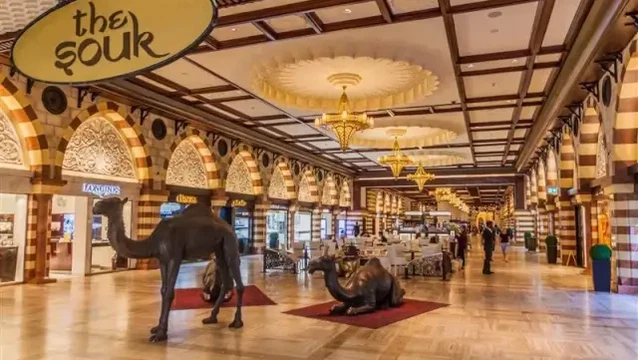
While the historic markets are essential, 2026 has seen the rise of “Modern Souks” like Souk Al Bahar and Souk Madinat Jumeirah. These locations recreate the architecture of Dubai Traditional Souks but offer air-conditioned comfort and high-end dining options.
They are perfect for travelers who want the aesthetic of the old world with the luxury of the new. These spots are particularly beautiful at night when the traditional lanterns are lit, casting a golden glow over the artificial canals and boutique shops, offering a different but equally enchanting perspective on Arabian trade.
Sustainable Tourism in the Historic District
In our eighth paragraph, we highlight Dubai’s 2026 commitment to sustainable tourism within the Al Shindagha and Al Seef areas. Many of the Dubai Traditional Souks have undergone gentle renovations to preserve their historical integrity while implementing eco-friendly waste management and lighting.
Supporting local artisans and small-scale traders in these markets contributes directly to the preservation of Emirati heritage. By choosing handmade crafts over mass-produced items, tourists play a vital role in keeping these ancient crafts alive for future generations to enjoy.
A Strategic Vision for Dubai’s Heritage
In the ninth paragraph, it is clear that the Dubai Traditional Souks are central to the city’s 2026 tourism strategy. By balancing rapid modernization with a deep respect for history, Dubai ensures that its identity remains rooted in its trading past.
The souks serve as a bridge between the generations, where the stories of the desert and the sea are still told through the goods on display. Ultimately, a visit to these markets is more than just a shopping trip; it is an immersion into a resilient culture that continues to thrive in the heart of one of the world’s most futuristic cities.
Sources and References:
- Visit Dubai Official Portal – Souks & Markets: https://www.visitdubai.com/
- Dubai Culture & Arts Authority: https://dubaiculture.gov.ae/
- UNESCO World Heritage – Dubai Creek: https://whc.unesco.org/
- Khaleej Times – Guide to Old Dubai: https://www.khaleejtimes.com/
- Time Out Dubai – Best Souks to Visit: https://www.timeoutdubai.com/