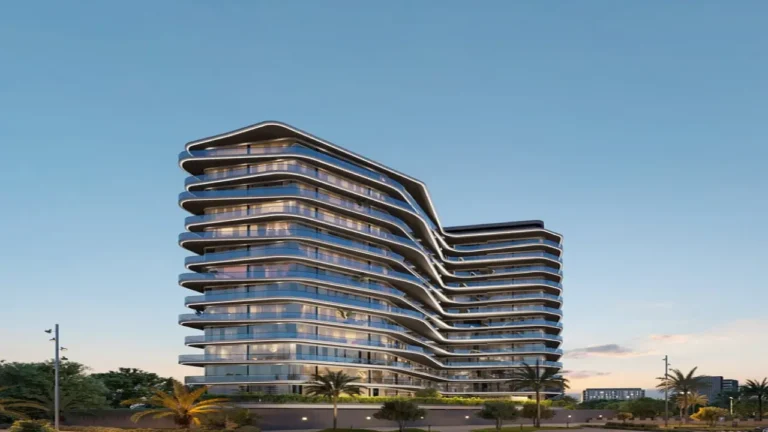

Buying Property in Dubai: 9 Essential Questions to Ask Before You Invest in 2026
Investing in the UAE real estate market requires careful due diligence. Here are the most critical questions to ask when buying property in Dubai to ensure a secure and profitable investment.
The landscape of buying property in Dubai has reached a high level of maturity in 2026, offering diverse options from luxury branded residences to affordable suburban villas.
However, the complexity of the market means that success depends on the questions you ask before signing a contract. Whether you are a first-time homebuyer or a seasoned international investor, understanding the legalities, costs, and market trends is vital. By focusing on key aspects like developer reputation, service charges, and long-term infrastructure plans, you can navigate the process of buying property in Dubai with confidence and minimize potential risks.
1. What is the Developer’s Track Record?
When buying property in Dubai, especially off-plan, the developer’s reputation is your greatest security. Ask for their history of completed projects and whether they have met past delivery deadlines. In 2026, many investors prioritize established names with a proven history of quality finishes and strong community management.
2. Is the Property Freehold or Leasehold?
This is a fundamental distinction when buying property in Dubai. Freehold grants you absolute ownership of the land and the unit, while leasehold usually offers rights for up to 99 years. Ensure the property is located in a designated “Freehold Zone” if you are a non-GCC national looking for full ownership.

3. What are the Total Service Charges?
Recurring costs can significantly impact your ROI. Before buying property in Dubai, request a clear breakdown of the annual service charges. These fees cover building maintenance, security, and amenities. In high-end areas like Dubai Marina or Downtown, these costs can be substantial, so factor them into your long-term budget.
4. What is the Expected ROI (Rental Yield)?
If your goal in buying property in Dubai is investment, you must analyze the current rental market in that specific area. Ask for data on average yields for similar units nearby. In 2026, some emerging areas are offering yields between 7% and 9%, which is highly competitive globally.
READ ALSO: Al Seef Dubai Guide: Discover Heritage, Dining, and Culture in 2026
5. Are There Any Hidden Transaction Costs?
The purchase price isn’t the only expense. When buying property in Dubai, you must account for the 4% Dubai Land Department (DLD) fee, agency commissions, and mortgage registration fees if applicable. Asking for an “all-in” cost sheet will prevent financial surprises during the closing process.
6. What Infrastructure Projects are Planned Nearby?
Future connectivity often drives capital appreciation. Ask if there are new Metro lines, schools, or malls planned for the vicinity. Buying property in Dubai in an area slated for infrastructure upgrades can lead to significant value increases by the time the project is completed.
7. What is the Post-Handover Payment Plan?
Many developers offer flexible payment plans that extend after you receive the keys. When buying property in Dubai, clarify the milestones: what percentage is due during construction, at handover, and over the subsequent years. This can greatly assist with your cash flow management.
8. Is the Real Estate Agent RERA Registered?
To protect your interests, only deal with licensed professionals. Verify that your agent holds a valid RERA (Real Estate Regulatory Agency) card. This ensures they follow the legal ethical standards mandated for buying property in Dubai and have the authority to facilitate the transaction.
9. How Does the Property Valuation Compare?
Before committing to buying property in Dubai, obtain an independent valuation or look at recent transaction data on the DLD open data portal. This helps you confirm that the asking price is in line with current market value, ensuring you don’t overpay in a competitive environment.
Official Verification Sources:
- Dubai Land Department (DLD) – Official Portal: https://dubailand.gov.ae
- Real Estate Regulatory Agency (RERA) – Agent Search: https://www.rera.gov.ae
- Dubai REST App – Real Estate Services Trends: https://www.dubairest.gov.ae
- Property Finder – 2026 Market Watch Reports: https://www.propertyfinder.ae